
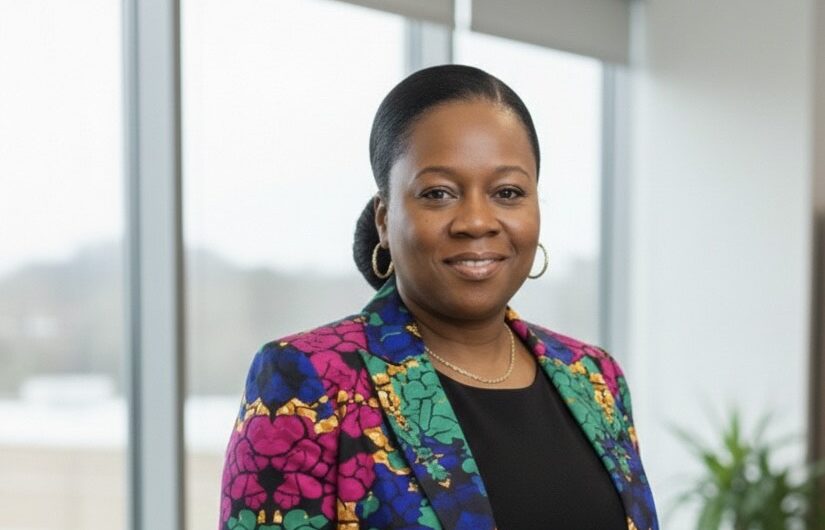
Dr. Joanne Wescott’s journey through healthcare leadership reads like a masterclass in turning complexity into clarity. From the bedside to the boardroom, her career has been defined not by titles accumulated, but by systems transformed and lives improved.
A Foundation Built on Purpose
Dr. Wescott’s professional path hasn’t followed a straight line. It’s been guided by something more reliable: a set of unwavering core values. Integrity forms the bedrock of every decision she makes, whether she’s consulting with a struggling organization or teaching the next generation of healthcare leaders. Accountability keeps her grounded, ensuring that her focus stays on tangible outcomes rather than good intentions. Service reminds her daily that healthcare exists for one reason: to improve lives. And lifelong learning? That’s what allows her to stay ahead in an industry that reinvents itself constantly.
“Every role I’ve held, every project I’ve undertaken, ultimately exists to improve lives,” Dr. Wescott reflects. “That’s not just philosophy. It’s the practical filter through which every decision must pass.”
These aren’t abstract principles gathering dust in a mission statement. They’re the active ingredients in how she approaches every challenge, from workforce fatigue to regulatory mazes to the financial pressures squeezing healthcare organizations across the country.
Seeing the Gap, Building the Bridge
The founding of Delmarva Community Consultant Services came from a moment of recognition. Dr. Wescott watched healthcare organizations struggle, not because they lacked commitment or competence, but because they lacked the right guidance at critical moments. There was a chasm between what regulators expected and what organizations were operationally ready to deliver.
So she built a bridge.
Her consulting work helps organizations strengthen compliance without sacrificing efficiency, improve utilization management without losing sight of patient needs, and build systems that don’t just survive audits but actually enhance care delivery. The impact has been measurable: reduced avoidable hospital days, improved audit outcomes, better interdisciplinary collaboration, cost savings paired with improved patient satisfaction.
“Compliance and innovation aren’t enemies when patient-centered care leads your decision-making,” she explains. “I focus on embedding regulatory requirements into workflows in ways that make clinicians’ jobs easier, not harder, while improving what patients actually experience.”
The Nursing Lens That Sharpens Leadership
Ask Dr. Wescott about her nursing background, and she’ll tell you it’s not just part of her resume. It’s her leadership superpower. That clinical foundation grounds every strategic decision in empathy, in clinical reality, in patient advocacy. It means her policies don’t just look good on paper; they work in practice. They make sense to the frontline staff who have to implement them.
This perspective shapes how she views excellence in healthcare delivery. For Dr. Wescott, excellence in 2026 and beyond means delivering equitable, data-informed, coordinated, and compassionate care at scale. It includes measurable outcomes, yes, but also patient trust, workforce well-being, and systems agile enough to adapt to change without compromising safety or ethics.
“My nursing background ensures that policies and strategies remain practical, ethical, and aligned with frontline realities,” she notes. “You can’t lead healthcare effectively if you’ve forgotten what it’s like to care for patients directly.”
Training Leaders for Tomorrow’s Challenges
Dr. Wescott sees gaps in how healthcare leaders are currently being prepared. Too many programs emphasize theory while underemphasizing real-world application, regulatory literacy, and systems thinking. The result? Leaders who struggle when they hit the complexity of actual healthcare operations.
Her solution involves mentorship, experiential learning, interdisciplinary education, and early exposure to operational and compliance challenges. She believes future healthcare leaders must master strategic thinking grounded in data, emotional intelligence and communication, regulatory and financial literacy, change management and innovation leadership, and ethical decision-making under pressure.
These aren’t optional skills. They’re survival tools for navigating complexity while maintaining clarity of purpose.
Writing to Extend Impact
Dr. Wescott writes for a simple reason: she can’t be everywhere at once. Her books and articles allow her to reach professionals she’ll never meet, in organizations she’ll never visit, facing challenges that still need her perspective.
“Writing allows me to demystify leadership, compliance, and case management while empowering professionals to lead with confidence,” she says. “My message is consistent: ethical, informed leadership can transform both patient care and organizational culture.”
Her authorship isn’t about building a personal brand. It’s about multiplication. Every reader who applies her principles becomes another force for positive change in healthcare.
The Integrity Imperative
In consulting, Dr. Wescott has learned that honesty isn’t just the best policy; it’s the only sustainable one. Even when recommendations are difficult, integrity builds credibility. Organizations need guidance that protects patients, staff, and long-term sustainability, not superficial compliance that looks good until the first real test.
She encourages innovation by creating psychological safety, setting clear expectations, and linking experimentation to measurable goals. But she maintains accountability through data tracking, continuous feedback, and quality benchmarks that ensure change leads to improvement, not just disruption.
“In high-stakes environments, organizations need truth more than comfort,” Dr. Wescott states. “My job is to provide guidance they can build on, not platitudes they can hide behind.”
Advice Forged in Experience
When aspiring women leaders in healthcare ask for her advice, Dr. Wescott doesn’t sugarcoat the journey. Build expertise. Seek mentors. Advocate for your voice at decision-making tables. Confidence grows through preparation and experience, not magical thinking.
“Leadership and consulting require courage, clarity, and the willingness to be visible, even when it feels uncomfortable,” she counsels. “But that discomfort is where growth happens.”
A Legacy in Motion
Dr. Wescott’s desired legacy isn’t about accolades or recognition. It’s about ethical leadership that persists, professionals who feel empowered to lead with integrity, and systems that genuinely serve their communities.
Looking forward, she plans to continue shaping healthcare through consulting that transforms organizations, education that prepares real-world leaders, and writing that keeps patients at the center of every decision.
Her work rests on a fundamental belief: sustainable healthcare transformation occurs when leadership, compliance, innovation, and compassion are intentionally aligned. Not balanced in some theoretical sense, but actively woven together in every decision, every system, every interaction. That’s not just healthcare leadership. That’s healthcare leadership that matters.