
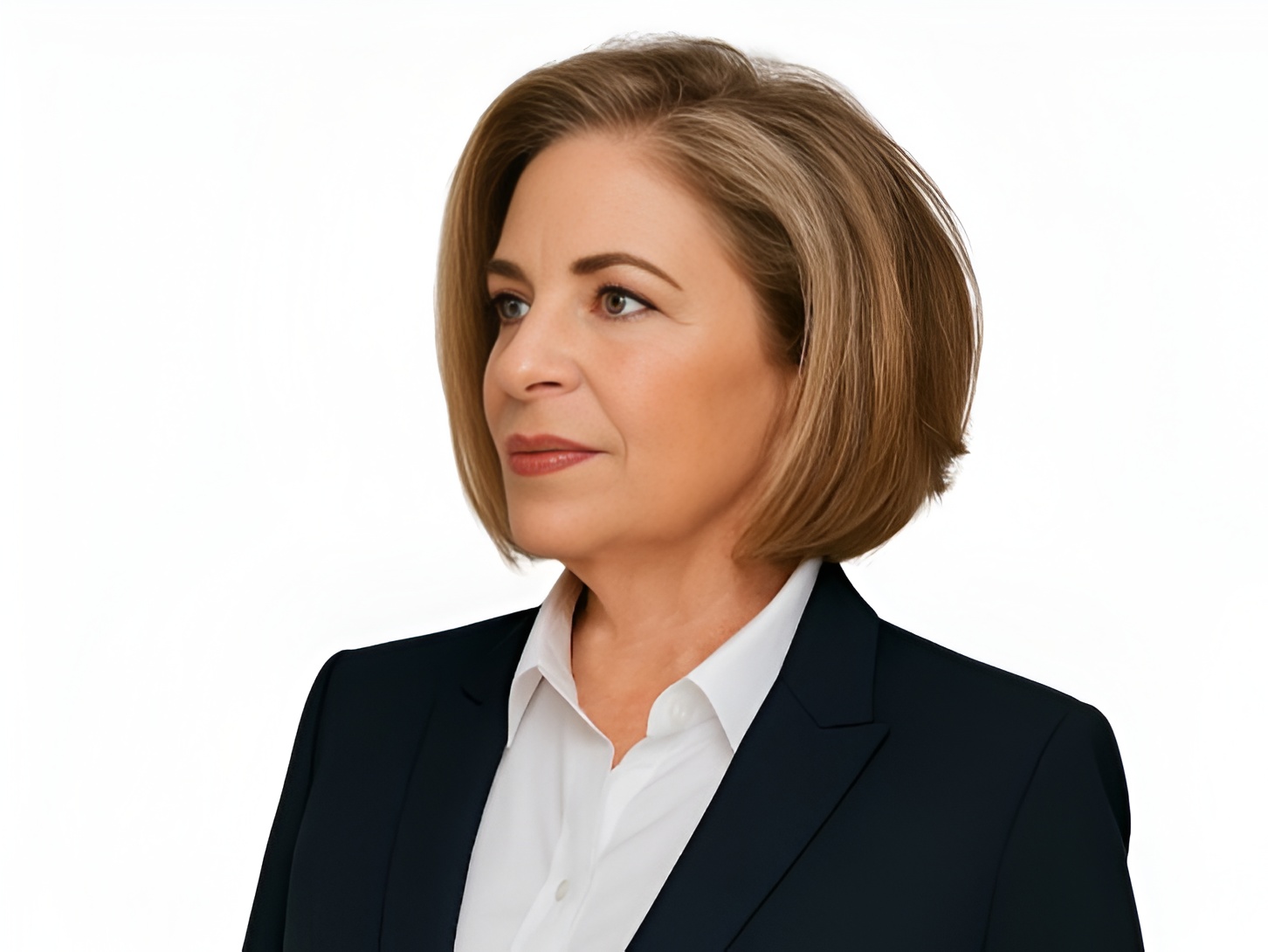
In the heart of Romania, where traditional medical values meet the cutting edge of healthcare innovation, Dr. Sofica Bistriceanu has spent over a decade crafting a unique vision for family medicine. Since establishing the Academic Medical Unit-CMI Dr. Bistriceanu in February 2013, she has championed an approach that honors the profound privilege of accompanying patients throughout their entire life journey.
“Family medicine offers the advantage of treating people from birth until they pass away, not only during episodes of care,” Dr. Bistriceanu reflects. This perspective shapes everything about her practice, transforming the traditional doctor-patient relationship into something far more enduring and meaningful.
Unlike specialists who encounter patients during isolated moments of crisis or need, family physicians become witnesses to the full arc of human experience. They observe life courses unfold, watch families grow and evolve, and understand how external factors ripple through communities and individual lives. This longitudinal view provides insights impossible to gain from episodic care alone.
Dr. Bistriceanu’s journey into family medicine was not merely a career choice but a calling rooted in the desire for deep, sustained human connection. Over the years, she has learned that the relationship between provider and patient is shaped by multiple dimensions: clinical outcomes certainly matter, but so do communication skills, availability, fair pricing, and reputation in both real-world and online communities.
“Professionalism in handling data in clinical practice, effective communication with clients and collaborators, sharing the presence well, and alignment with social norms ensure business stability and growth, as well as a better personal, professional, and social life,” she explains. This holistic understanding extends beyond medical competence to embrace the full spectrum of what makes healthcare truly healing.
THE INTERCONNECTED HUMAN: PHILOSOPHY FORGED THROUGH OBSERVATION
Dr. Bistriceanu’s medical philosophy emerges from a fundamental recognition: no one exists in isolation. Her years bridging clinical practice and academia have taught her to see patients not as collections of symptoms but as participants in vast webs of exchange and interaction.
“People continually sell their products and buy others’ goods or services to meet their needs and those of their loved ones, since no one can produce or possess everything,” she observes. This economic reality mirrors biological truth. How people interact and the quality of what they produce reflect their life paths, including their personal health.
Through careful observation of these interactions and their effects on wellbeing, combined with advanced knowledge of human functioning, Dr. Bistriceanu formulates new understandings about the onset or remission of human disorders. She shares these insights with medical communities, contributing to the collective advancement of knowledge while remaining mindful of ethical boundaries. As she notes, it would be dangerous to replicate, for example, a context that could initiate a brain hemorrhage.
Her academic involvement has reinforced a democratic view of medical progress. Advances in medical knowledge are accessible to all professionals, yet new data are not imposed. Each practitioner may consider options when selecting from available approaches in practice, exercising professional judgment shaped by evidence and experience.
A formative realization crystallized early in Dr. Bistriceanu’s career, one that continues to guide her practice: “The patient must be viewed as a whole person, not by examining systems in isolation.” This insight seems simple, even obvious, yet its implications are profound and frequently overlooked in modern specialized medicine.
All bodily systems are interconnected, responding appropriately when one fails. Physical pain links inevitably to mental suffering. The human body and soul work together, inseparable despite our analytical attempts to partition them. Observing how a person responds to various stimuli helps physicians understand human connectivity at both micro and macro levels.
“Patient care requires attention to all aspects of human functioning and to interactions with the environment,” Dr. Bistriceanu emphasizes. This approach evolves continuously over time, deepening with each patient encounter and each new understanding.
EVIDENCE MEETS INTUITION: THE RESEARCH FOUNDATION
Dr. Bistriceanu’s commitment to evidence-based practice received significant reinforcement through the MATRA training program in research in Family Medicine in Romania, which included training at the Netherlands School of Primary Care Research. This experience strengthened her data handling skills and enhanced her ability to critically review medical literature.
The training instilled discipline in approaching clinical questions systematically while respecting the complexity of real-world practice. Looking toward the next decade, Dr. Bistriceanu identifies epidemiology, observational studies, and qualitative studies as critical research areas for family medicine. These methodologies honor the messiness of actual human experience while seeking patterns and insights that can improve care.
Her approach to integrating scientific findings into daily clinical practice exemplifies practical wisdom: consider scientific data alongside patient-specific data. Neither dominates absolutely. The art lies in weaving together population-level evidence with individual circumstances, values, and responses.
WHEN SECONDS MATTER: BALANCING TECHNIQUE AND HUMANITY
Dr. Bistriceanu’s extensive experience in pediatrics and emergency medicine adds crucial dimensions to her family practice. These specialties demand particular awareness of communication characteristics and time-to-action value. In emergencies, procedures must be applied quickly and efficiently across all contexts.
“Technical support is preferred, but in an unexpected situation when it is unavailable, your knowledge, skills, and intuitive actions to save a life are essential,” she explains. This recognition that physicians must sometimes rely on training and instinct when technology fails keeps her skills sharp and her preparation thorough.
Family physicians must possess advanced knowledge of pediatrics and emergency medicine, understanding how to communicate with children, how to calm frightened parents, and how to make critical decisions under pressure. These capabilities form essential components of comprehensive primary care.
Yet technical excellence alone cannot build the lasting relationships that define excellent family medicine. Empathy serves as the foundation upon which trust is constructed. When empathy exists between players in a relationship, communication effectiveness becomes evident through multiple markers: better patient adherence to proposed therapeutic plans, improved clinical outcomes, satisfied clients, grateful family members, increased provider prestige, stronger return on investment, greater business stability, enhanced provider satisfaction, increased creativity, and improved overall wellbeing.
“When clinical outcomes are optimal, clients trust their providers,” Dr. Bistriceanu notes. This trust extends beyond individual patients. Clients’ loved ones maintain relationships with the provider grounded in admiration and gratitude that can span generations within families, creating medical legacies built on competence and compassion.
COMPASSION AS CLINICAL INTERVENTION
The power of compassionate presence manifests tangibly in Dr. Bistriceanu’s practice. She recalls treating a 56-year-old patient who experienced a severe headache after a forceful discussion with a family member. The patient measured her blood pressure, discovering alarming elevations: 180/110 mmHg with a heart rate of 112 beats per minute.
The patient used medications recommended by her family doctor and called for guidance. Dr. Bistriceanu adjusted the drug treatment and spoke calmly with her patient by phone, then visited the patient at home. She suggested avoiding conflictual discussions in the future.
The outcome revealed something profound about the therapeutic relationship. Dr. Bistriceanu observed that her calm voice and heartfelt work reduced patient distress and lowered blood pressure. Medication alone could not have achieved what compassionate presence accomplished. The intervention was simultaneously pharmaceutical and human, technical and emotional.
This case illustrates Dr. Bistriceanu’s core belief: medicine works best when it engages the whole person, addressing both physiological dysfunction and emotional distress, recognizing that these dimensions cannot be separated in living human beings.
TECHNOLOGY AS ALLY, NOT REPLACEMENT
Dr. Bistriceanu views Healthcare Information Technology with measured optimism. Advances in information technology facilitate remote work, creating possibilities for hybrid models of medical service delivery that combine in-person visits with e-visits and on-demand health programs promoting wellness.
Family medicine can adapt to these technological capabilities while preserving essential human elements. Virtual assistants can provide needed support, yet as Dr. Bistriceanu firmly believes, technology “can never replace the human touch, which is preferred.”
Her vision for digital transformation in healthcare remains grounded in practical realities. Not everyone can afford sophisticated IT devices, but nearly everyone has a mobile phone. “It is sufficient for the beginning,” she notes. A family physician can establish clinical diagnosis based on voice, breath, and when possible, facial characteristics, along with data on blood pressure, heart rate, blood oxygen saturation, and glucose levels. Video consultation enhances this capability.
Furthermore, collaborative technology enables specialists to contribute expertise remotely. An EKG or echography image can be transmitted online to experts for more precise diagnosis. This collaborative work among medical specialties strengthens overall care quality without requiring patients to navigate multiple appointments and locations.
Dr. Bistriceanu insists that technology must enhance rather than replace human connection in medicine. “Technology never replaces real humans, who attune to patients’ emotional states,” she emphasizes. However, IT advancements help prevent burnout, which is essential for sustaining compassionate practice over long careers.
REDEFINING THE DISCIPLINE: VISION FOR TRANSFORMATION
For Dr. Bistriceanu, redefining family medicine means embracing IT advancements to transform diagnosis, treatment, and prevention. These technologies provide accurate data quickly, enabling more precise and timely interventions.
Looking at Romania’s primary care landscape, she identifies telemedicine as a critical systemic change needed to expand access and improve efficiency. The COVID-19 pandemic accelerated adoption of remote care modalities, demonstrating both possibilities and limitations. Moving forward, intentional integration of telemedicine into standard practice will strengthen primary care delivery.
Interdisciplinary collaboration represents another crucial element in strengthening family medicine’s future. As Dr. Bistriceanu noted regarding diagnostic imaging and specialist consultation, collaborative work among medical specialties is necessary. No single practitioner can possess all expertise, but well-coordinated teams can provide comprehensive, sophisticated care.
LEADERSHIP ROOTED IN CHARACTER
When asked about essential leadership qualities for today’s physicians, Dr. Bistriceanu begins with integrity. This foundational virtue supports all others: honesty, respect, kindness, generosity, flexibility in understanding diverse situations, humility, and alignment with social norms.
Her leadership philosophy acknowledges human imperfection. “Accept minor errors as part of human life, but do not tolerate major, intentional errors,” she counsels. This balanced approach recognizes that learning involves mistakes while maintaining high standards for ethical conduct.
Optimism emerges as another essential quality. Medical practice inevitably involves encountering suffering, loss, and limitation. Maintaining hopeful engagement despite these realities requires conscious cultivation of optimistic perspective.
Dr. Bistriceanu captures this philosophy poetically: “Consider that all comes in greatness and pass on!” This phrase, which serves as the title of one of her poems, reminds physicians that both triumphs and tragedies are temporary, that human significance transcends individual moments, and that purpose comes from contributing to the ongoing flow of care and healing.
PREPAREDNESS FOR CRISIS
Dr. Bistriceanu’s background in ACLS and emergency care informs her belief that family physicians must be equipped with knowledge for all ages and guidance on how to act in varied circumstances, including emergencies. This preparedness cannot be optional or specialized; it forms part of the core competency expected of primary care providers.
She envisions improvements in community-level emergency response systems centered on two elements: technical support and trained people for its use. Equipment without expertise provides false security. Training without tools leaves responders helpless. Both must develop together to create truly resilient emergency infrastructure.
EMPOWERING PATIENTS: THE 2030 VISION
Dr. Bistriceanu’s vision for family medicine by 2030 emphasizes patient empowerment and self-management. “People can be trained to self-manage their disorders,” she predicts. Informative health programs will be available online, providing education and guidance accessible to anyone with internet connectivity.
This shift toward patient agency does not eliminate the need for professional medical services but transforms how and when people access them. Rather than depending on physicians for routine management of stable chronic conditions, patients will pay for medical services as needed for acute problems, complex decisions, or situations requiring expert intervention.
This vision assumes significant changes in health literacy, technology access, and care delivery models. It requires physicians comfortable with distributed authority, patients willing to assume greater responsibility, and systems designed to support rather than control health behaviors.
A MESSAGE FOR FUTURE HEALERS
When asked what lasting message she would leave for future generations of physicians, Dr. Bistriceanu offers guidance both sobering and inspiring: “Medicine is a long path of instruction. Take it seriously, since human life is in your hands.”
This statement acknowledges the weight of medical responsibility without descending into fear or paralysis. It calls for seriousness without solemnity, dedication without martyrdom. Human lives deserve physicians who approach their calling with appropriate gravity, who never stop learning, who recognize that each patient encounter carries profound significance.
THE LEGACY TAKING SHAPE
Over thirteen years, Dr. Sofica Bistriceanu has built more than a successful medical practice. She has created a model for family medicine that honors tradition while embracing innovation, that prizes empathy alongside evidence, that sees technology as tool rather than replacement for human connection.
Her Academic Medical Unit stands as testament to the possibility of sustaining values-driven practice in an era of increasing commercialization and specialization. She demonstrates daily that comprehensive primary care remains not only viable but essential, that patients crave relationships with physicians who know their stories, their families, their contexts.
As Romania’s healthcare system continues evolving, as technology creates new possibilities and challenges, as patient expectations shift and resources constrain or expand, leaders like Dr. Bistriceanu provide crucial guidance. They show that innovation need not abandon humaneness, that efficiency can coexist with empathy, that scientific rigor enhances rather than replaces clinical intuition.
Her journey from establishing a small practice in 2013 to becoming a recognized voice for thoughtful healthcare transformation illustrates the power of consistent, principled effort. She built her reputation one patient relationship at a time, one thoughtful intervention at a time, one compassionate encounter at a time.
The future of family medicine will be shaped by physicians who understand, as Dr. Bistriceanu does, that their specialty’s unique strength lies in sustained relationship, comprehensive knowledge, and community integration. Technology will continue advancing, specialties will grow more sophisticated, healthcare systems will reorganize repeatedly. Through all these changes, the need for physicians who accompany patients from birth until death, who view persons as integrated wholes, who balance science with soul, will endure.
Dr. Bistriceanu’s work provides a roadmap for that enduring mission, demonstrating that family medicine practiced with integrity, empathy, and innovation serves not only individual patients but entire communities and future generations of healers.