
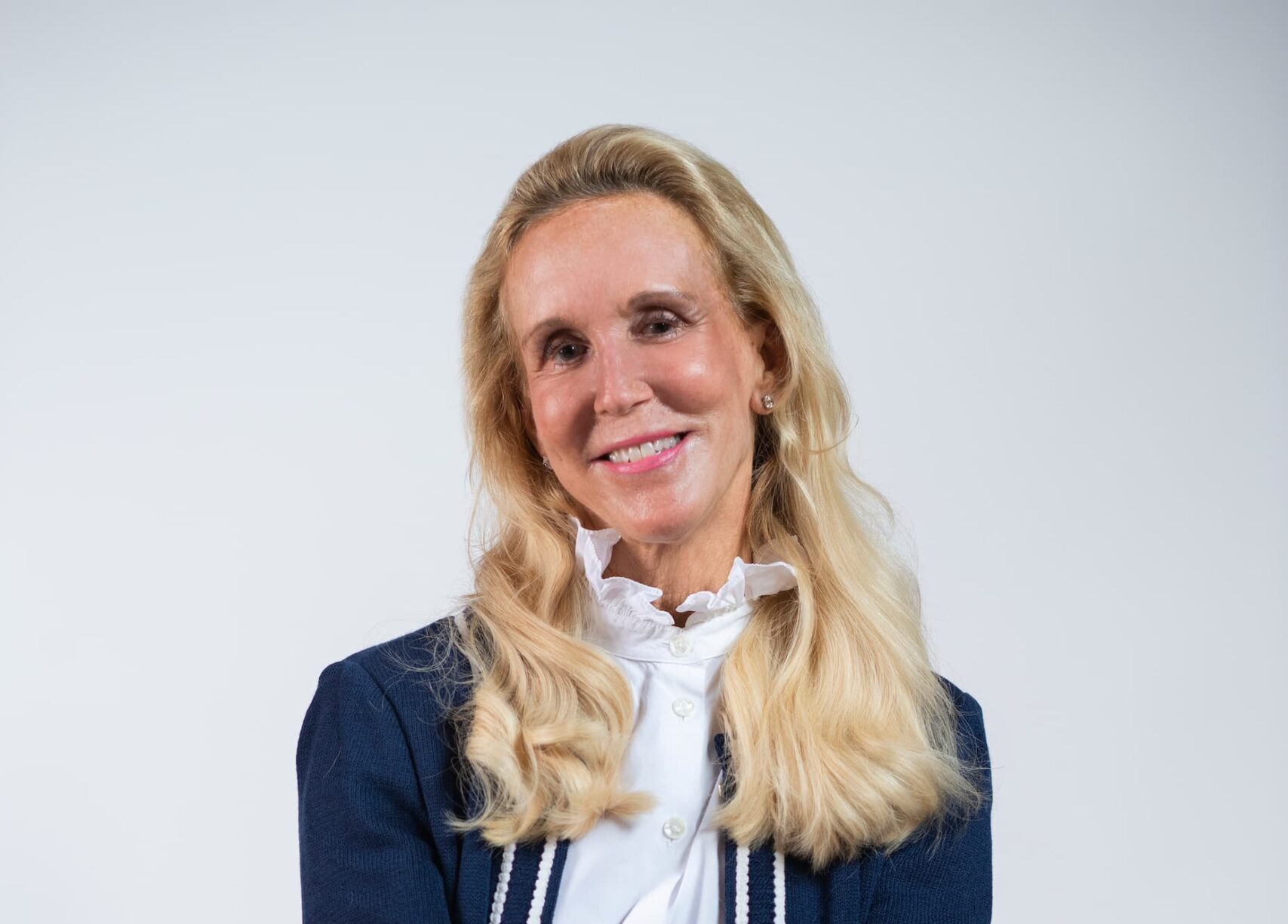
- You’ve guided C-suite leaders through critical inflection points—how do you define “executive excellence” in today’s rapidly changing global business environment?
Executive excellence today isn’t defined by static competencies or traditional command-and-control leadership. Instead, it is the dynamic ability to lead with clarity, agility, and humanity in a world where disruption is the norm, global interdependencies are growing, and expectations of leadership are rapidly evolving.
At its core, executive excellence is about consistently delivering high performance—both organizationally and personally—while navigating uncertainty with confidence and composure. It requires a blend of strategic foresight, emotional intelligence, ethical decision-making, and an unrelenting commitment to learning and growth.
Leaders who exemplify executive excellence are not just operationally effective—they’re catalysts for change, stewards of culture, and architects of resilience. They elevate others, cultivate trust, and mobilize diverse teams toward a shared purpose. They accept that the future cannot be predicted, but it can be shaped—and they design their organizations to adapt, innovate, and win in the face of volatility.
Key Hallmarks of Executive Excellence
- Strategic Agility – Continuously scans the horizon, recognizes patterns, and adapts rapidly to shifting conditions
- Human-Centered Leadership – Prioritizes empathy, psychological safety, and inclusion
- Resilient Decision-Making – Makes bold, informed choices under pressure
- Data-Informed Judgment – Leverages insights without losing sight of instinct and values
- Cultural Stewardship – Builds and protects a high-trust, high-accountability environment
- Purpose-Driven Vision – Inspires teams with a mission that transcends quarterly results
- Relentless Learning – Treats every challenge as an opportunity to evolve
In today’s climate, excellence is not just what leaders deliver—it’s how they deliver it, and who they become in the process.
- What inspired you to found Great Circle Associates, and what core philosophy drives your work with senior leaders?
As a c-suite operating leader in corporate America I had always prioritized the need to surround myself with leaders who had the potential to do circles around. I therefore invested heavily in a strategic approach to their development, paying close attention to coaching, mentoring and empowering them to adopt a growth mindset, play to their strengths and learn to take measured risks.
I also worked hard to create the full partnership of men and women leaders in male dominated environments. This required to me to master my active listening and collaboration skills, exercising a high level of laser focus on results, following through on commitments and ensuring that my team members were recognized for their achievements.
It was therefore a natural for me to become an executive coach and strategic advisor focused on collaborating with leaders and leadership teams who are at significant inflection points in their careers, and/or who need to re-imagine aspects of their business models. This, leveraging my core competencies at strategic thinking, problem-solving, planning, execution, communications, coaching and mentoring and culture development.
As a c-suite operating leader in corporate America, I articulated seven Values focused on the leadership of disruptive departures from the status quo some 25 years ago.
- The celebration of uniqueness: To welcome and embrace differences in backgrounds, strengths, work styles, problem-solving techniques, life experiences and perspectives, recognizing that the greatness of any enterprise arises out of the unique contribution of each individual
- Generosity of Spirit and Action: An attitude of the heart that manifests in an authentic expression of compassion and willingness to articulate and implement a mission and vision for the good of all stakeholders including customers, shareholders, employees, partners and the local and global communities organizations operate in.
- Professional and Intellectual Humility: The awareness and outward expression of our individual fallibility as we drive to the achievement of breakthrough results.
- Reciprocity: An eagerness at giving as well as receiving toward mutually beneficial outcomes (“To whom much is given, much is expected”)
- Transparency: A commitment to making visible, in truthful candid ways, processes by which conclusions are , decisions are made, problems are solved and opportunities are envisioned.
- Passion for the elimination of the status quo: A commitment to embrace change, not for change’s sake, but for the breakthrough and sustained well-being of all stakeholder groups.
- Courage: The willingness to confront hard truths and create shared solutions to problems.
These Values have endured and are bedrock foundation in the teachings I advance in my consulting practice.,
- As someone known for cutting through complexity, how do you help leaders maintain clarity amid uncertainty and disruption?
In today’s volatile environment, leaders must navigate uncertainty, disruption, and competing priorities without losing sight of what matters most. Those known for cutting through complexity use intentional practices to create clarity—for themselves, their teams, and their stakeholders. Here are five best practices to help leaders maintain focus and clarity in turbulent times:
1. Anchor in Purpose and Priorities
Clarify the “why” behind the work. When external conditions change, a strong sense of purpose helps teams stay aligned and motivated. Leaders should regularly reaffirm priorities and the outcomes that matter most.
2. Simplify the Signal-to-Noise Ratio
Not all information is equally valuable. Leaders who cut through complexity know how to filter out distractions and elevate the data and insights that drive action
3. Build a Culture of Psychological Safety
When people know it is safe to speak up, ask questions, or challenge assumptions, they surface better ideas and illuminate blind spots. This leads to smarter decisions and fewer surprises.
4. Create Space to Think
Clarity requires reflection. Leaders need protected time to zoom out, reflect, and reconnect the dots—especially when things are changing fast.
5. Communicate with Precision and Empathy
In uncertain times, people crave direction and reassurance. Leaders should articulate what they know, what they don’t, and how decisions will be made—communicating simply, honestly, and often.
With these practices, leaders don’t just survive uncertainty—they gain the clarity to lead with confidence and influence positive outcomes.
- How has your leadership philosophy evolved from your corporate journey at American Express and Citibank to becoming a global advisor and coach?
See Answer to #2 involving Values that I articulated some 25 years that I role model to all of my clients.
Also, I emphasize the importance of gaining deep clarity around leaders’ Strengths and teaching them how to leverage them and become known for them.
Where 70% of leaders suffer from Imposter Syndrome, limiting them from achieving their potential, I probe for its presence at the outset of an executive coaching assignment and teach them nine ways to overcome it.
I emphasize the importance of achieving a high level of emotional intelligence with all clients focused in particular on self-awareness; sensitivity to others’ feelings, especially in high pressure and change situations, and showing empathy and compassion
Strategic Reinvention & Organizational Transformation
- You’ve been instrumental in designing and executing major transformations such as IPOs, mergers, and rebranding initiatives. What are the key ingredients for leading such large-scale changes successfully?
I will answer this question in the context of skills and competencies that are required to effect disruptive departures from the status quo. Here are the five tips I share with clients who have been selected to be part of a cross functional coalition of passionate champions whose role it is to collaboratively drive the achievement of Change at Core™
- Master Your Active Listening Skills: Deep listeners are able to put themselves in the shoes of stakeholders – especially those who may be struggling to support disruptive departures from the status quo. Learn to enable sceptics to be part of the solution, focused on overcoming the challenges and obstacles they perceive the agenda for change will lead to. You’ll know you have succeeded as a master listener with the development of trusted and trusting relationships. Trust, in turn, breeds buy-in to change.
- Build the Courage of Your Conviction to Take Responsibility for Resolving Difficult Challenges if Not Conflict: Learn to become energized when confronted by complex challenges and find those reserves of resilience, confidence and grit. Leverage your motivation to make a difference and believe in your ability to overcome any obstacle by being positive, resourceful and solution focused. Be bold in building a dynamic array of social networks and connections to provide visibility into areas of confusion, uncertainty or conflict. Stay steady when the going gets rough!
I recall an experience where I was extremely challenged in the process of leading the integration of an acquired organization into the acquiring company. The leadership of the acquisitee had a strongly held belief that their company should have been the acquirer, arguing that our organization’s results-oriented culture did not hold a candle to the strength of theirs. There was in fact some truth to their claim.
My first and most important order of business was focused on cultivating trusted and trusting relationships with the naysayers, particularly influencers at all levels in the organization. The good news was that I knew there was a lot that could be learned, and skills and desired behaviours that could be transferred to the acquiring organization that related to the new organization’s results focused culture.
My goal was to begin the transference of some of those beliefs and processes as soon as I could convince the naysayers that they were critical to creating a whole that could be greater than the sum of the parts. In particular, there was a need to integrate several functional areas of the two businesses that were non-customer facing. Jobs were at risk .
Together with a team of change makers we set about a robust discovery process that, among other outcomes, led to the identification of people, processes and technology related strengths that could be leveraged, and weaknesses that got in the way of moving from good to great, or driving to Change at Core™ — at both organizations.
As I worked the process of bringing together leaders from both organizations to articulate a shared Mission, Vision, Coals and Strategies, my communications focused on the strengths that both organizations brought from a technical and cultural standpoint. The idea was to “facilitate” a shared dialogue that focused on imagining the possibilities and their achievability.
It took six months but by the end of that time we had begun the consolidation of three operating centres to one and had initiated a new pricing strategy for one of the integrated businesses that led to the business moving from the red to the black
- As a “meaning maker” become a master at articulating compelling reasons for change. Build strong social and technical skills to better enable you to sell change throughout the organization in a non-threatening manner. Be purposeful and intentional in advancing the benefits of change and a new normal. Always be optimistic and inspire hope, not fear. Be able to share a sense of the possibilities and their achievability. Inspire action by providing clear and unambiguous messages and scripts on why commitment is necessary.
- Don’t just take Accountability. Ensure shared accountability over time: People respect and are inspired by courage and accountability – leaders who hold themselves and their teams accountable for superior performance. Learn to access and nurture power relationships to generate personal accountability for Change at Core™. Promote high levels of collaboration internally and externally, e.g., leading steering committees, participating in staff education, engagement and work redesign programs; etc. Don’t be afraid to stimulate healthy debate, providing enough clarity in “safe” environments to foster new ideas and ways of doing things without creating too much or too little heat in the system.
- As a solution and outcome focused leader role model, nonetheless, the quality of professional humility. Courageous and selfless, be role models first, advocates second. Create settings for open discourse without needing to control the process. Encourage stakeholders – especially those on the line – to generate their own ideas while you drive the overall vision and be there to break down obstacles and barriers, creating win-wins for all. Be in service, not subservient.
- Many organizations struggle with stakeholder alignment during transformation. How do you foster collaboration and consensus at the top?
It is important to achieve stakeholder alignment up, down and across the organization. I accomplish it by identifying passionate champions of change in leadership, and especially on the line. In fact, it is often high potential leaders, who are closest to internal and external stakeholders and customers, who have the most breakthrough ideas for change. As a senior sponsor of change I have always taken an inclusive approach to advocating and advancing the need for and benefits of change, akin to creating a movement.
- In your experience, what differentiates leaders who thrive through disruption from those who merely survive it?
Leaders who thrive through disruption—rather than merely survive it—share a distinct set of mindsets and behaviours that enable them to stay grounded, forward-looking, and effective in volatile conditions.
First, thriving leaders operate from clarity over reactivity. Instead of being pulled into the swirl of complexity, they pause, assess, and prioritize. They resist the urge for false urgency, make space for reflection, and focus on what is most essential. This clarity allows them to direct energy, not chase noise.
Second, they lead from a foundation of emotional steadiness and adaptive confidence. While surviving leaders become rigid or anxious, thriving leaders stay centered amid ambiguity. They regulate their own stress responses, maintain perspective, and make decisions grounded in values rather than fear. Their steadiness becomes contagious—they create psychological safety, enabling teams to think creatively rather than defensively.
Third, thriving leaders embrace learning as a strategy, not a luxury. Disruption becomes a catalyst for curiosity. They experiment, iterate, and seek diverse inputs, recognizing that yesterday’s playbook won’t solve today’s problems. This adaptive learning approach equips them not just to respond to change, but to shape it.
Finally, these leaders communicate with transparency and purpose, anchoring their teams in a compelling sense of direction even when the path is evolving. They model openness, ask for help, and share what they know—and what they don’t—building trust that strengthens resilience.
Thriving leaders stay clear, centered, adaptive, and connected. They turn uncertainty into opportunity, transforming disruption into a proving ground for stronger leadership and stronger teams
- How do you balance strategic reinvention with maintaining organizational stability and culture?
Leaders who successfully guide their organizations through reinvention understand that innovation and stability are not opposing forces—they are complementary disciplines that must be held in intentional tension. The best leaders treat reinvention as timely and continuous opportunities to move away from incremental approaches to creating difficult-to-replicate competitive advantage. rather than a sporadic event. They simultaneously protect the cultural anchors that provide identity, trust, and coherence.
They emphasize that which must remain inviolable. This includes core values, purpose, and the cultural behaviours that define “who we are at our best.” By explicitly naming these anchors, leaders create psychological safety during change—employees know what will not shift, even as strategy evolves. This clarity reduces resistance and helps teams interpret reinvention through a shared lens rather than as a threat.
They also frame reinvention not as a break from the past but as an evolution of it in acknowledgement of a change in strategic context. They articulate how new strategic choices honor the organization’s heritage while preparing it for future relevance. This narrative continuity connects head and heart, allowing employees to see themselves as participants in a purposeful transformation, not casualties of it.
Finally, these leaders build adaptive capacity through disciplined operating rhythms. They pair bold experimentation with rigorous feedback loops, scenario planning, and transparent decision-making. They model learning behaviour, encourage cross-functional collaboration, and ensure that reinvention is paced in a way that does not overwhelm the system. Stability comes not from resisting change, but from creating the structures, mindsets, and communication channels that make change manageable.
Balancing reinvention with stability requires leaders to be both architects of the future and stewards of the culture—a dual responsibility that strengthens resilience and keeps the organization aligned, grounded, and ready for what comes next.
Coaching C-Suite Leaders
- What are the most common challenges leaders face when transitioning into C-suite roles, and how do you coach them to overcome these?
Shifting from Functional Expertise to Enterprise Leadership
Leaders often struggle to move from “my team/my function” to “whole-of-business” thinking. They may continue to rely on the skills that got them promoted—operational excellence, technical mastery, functional problem-solving—rather than strategic, integrative leadership.
Influencing Without Direct Control
At the C-suite, success depends on shaping outcomes through influence, relationships, and cross-silo alignment—not hierarchy. New executives often underestimate the time, trust-building, and political acumen required.
Managing Increased Stakeholder Complexity
C-suite leaders face broader and more demanding stakeholders: Board members, investors, regulators, strategic partners, enterprise clients, and the media. Many underestimate the communication and narrative-shaping skills needed.
Navigating Ambiguity and Making High-Stakes Decisions
The problems are less defined, the inputs less clear, and the consequences more significant. Leaders often experience decision paralysis or overconfidence as they adjust.
Building Executive Presence Under Pressure
The scrutiny intensifies dramatically. New C-suite leaders must communicate with clarity, confidence, and calm—especially in moments of crisis or conflict.
Letting Go of Old Identity and Embracing a New One
Leaders must release the comfort and validation of being a high-performing specialist and adopt the identity of enterprise steward, culture carrier, and strategist. This identity shift is often underestimated and emotionally challenging.
Leading Through Others (vs. Doing or Directing)
C-suite leaders must build systems, empower senior leaders, and trust high-level delegation. Many over-function when they’re unsure, which can erode team confidence or create bottlenecks.
Balancing Strategic Reinvention with Organizational Stability
C-suite roles require simultaneous transformation and preservation—knowing what to disrupt, what to protect, and how to pace change.
I focus on the following best-practice executive coaching approaches with leaders who are transitioning into and coping with the challenges of transitioning to a c-suite leader.
- Identity and Role Clarification Coaching
- Help leaders articulate the difference between:
- What got them here and
- What will keep them effective at the enterprise level.
- Tools: leadership identity mapping, role expectations alignment (CEO, CHRO, Board), values clarification.
- Stakeholder Mapping and Influence Strategy
- My coaching guides leaders in:
- Identifying critical stakeholders
- Understanding their expectations, priorities, and pressures
- Crafting a plan for influence, communication, and trust-building
- Often includes 360 interviews
- Facilitating the shift from functional oversight to enterprise thinking and strategy:
- Scenario planning
- Systems thinking
- Portfolio prioritization
- High-quality decision-making frameworks
- I help leaders slow down, think better, and see interdependencies.
- I emphasize Communications Coaching + Narrative Developme
- Supporting leaders in crafting a coherent leadership narrative that aligns with the organization’s strategic direction. Includes:
- Executive presence
- High-stakes communication
- Storytelling
- Board/analyst communication coaching
- Cross-Silo Collaboration Coaching
- Supporting leaders in crafting a coherent leadership narrative that aligns with the organization’s strategic direction. Includes:
- A best practice for new C-suite leaders is to build relationships early across functions. My coaching therefore focuses on:
- Building trust with peers
- Resolving misalignments early
- Understanding “the business within the business” across functions
- Navigating organizational politics ethically and thoughtfully
- Emotional Regulation and Decision-Making Support
- Helping leaders develop capacity for:
- Centeredness in volatility
- Strategic patience
- Confident decision-making under ambiguity
- Managing imposter feelings and inner critic dynamics
- Team and Culture Acceleration
- C-suite transitions often fail because the executive does not build the right team fast enough. Coaching therefore focuses on:
- Assessing senior talent
- Aligning the team around priorities
- Clarifying decision rights
- Creating early wins
- Establishing norms that support psychological safety and accountability
- Integration Plan and First 90/180 Days Roadmap
- Co-design a structured and confidential plan that includes:
- Relationship-building agenda
- Enterprise learning agenda
- Culture/organizational assessment
- Communications plan
- Measurable early milestones
- Could you share a success story where your coaching directly influenced a leader’s or organization’s breakthrough moment?
A CEO of a growth company who has overcome imposter syndrome resulting in the promulgation of a bold new Mission, Vision, Values and Cultural Norms whose practice has put the organization on a steep growth trajectory. I worked with that CEO to put in practice nine coping mechanisms as follows:
- Recognize imposterism when it rears its ugly head. Awareness is the first step to changing. Remember where you came from – your roots. Remember the long journey and the focus and resolve you you have expended to achieve your goals. Acknowledge the leadership strengths you have spent years building and becoming known for.
- Remembe that you’re not alone. Research has shown that the likelihood is high that peers and superiors also have or have had feelings of being a fraud. When it came to leading a highly visible organization, Starbuck’s Howard Schultz admitted to feeling undeserving and insecure. In an interview with The New York Times, Schultz said, “Very few people, whether you’ve been in that job before or not, get into the seat and believe that today they are qualified to be the CEO. They’re not going to tell you that, but it’s true.”
- Talk about it. Most of us experience moments when we are less confident, leading to feelings of “uselessness.” Open dialogue with trusted colleagues (most of whom have experienced imposter moments in their personal and professional lives) will help to reframe the context rather than harbouring negative thoughts alone.
- Conquer fears in the moment. Find an inner source of strength that you may yearn to last for the rest of your life. Accept that you may never completely get over fears of being found out. This is critically important to overcoming imposter syndrome. We must become uber self-aware of those moments when we are slipping into the trap of feeling like a fraud, and go to the root of it. We must tell ourselves that we are not frauds and why. List those reasons and go for it. Tell yourself, “If I’m going to doubt something I’m going to doubt my limits!”.
- Focus on being a servant leader as an antidote to imposter syndrome. Imposter syndrome is driven by fear, perfectionism, comparison, and distorted beliefs about competence. Servant leadership dismantles those drivers by:
- Redirecting attention from self-judgment to contribution
- Grounding leaders in authenticity rather than performance
- Normalizing imperfection and learning
- Reinforcing identity through service, not ego
- Creating a sense of meaning and purpose bigger than self-doubt
When leaders adopt a servant mindset, their internal narrative changes from “Am I good enough?” to “How can I help?”—a far more empowering and sustainable place from which to lead.
- Set bold goals but that are attainable and realistic. Celebrate the accomplishment of each goal and use the celebrations as motivation to keep going.
- Visualize successful outcomes. Whether it’s completing a task or pitching a challenging departure from the status quo, imagine the change you want to see. It will help to maintain focus and calm
- Reimagine failure as a learning opportunity: Be open to and embrace lessons learned and act on them.
- Change your mindset: The only way to stop feeling like an imposter is to stop thinking like one. Instead of telling yourself that you are going to be found out or that you don’t deserve success, be aware that its’s normal not to know everything. Setbacks happen to everyone. Honor your vulnerability and have faith that you will learn as you go – as you always have.
- How do you measure the impact of executive coaching in terms of ROI and long-term leadership development?
The outcomes of my collaborations with seasoned and high potential leaders features the achievement of:
- Visionary and strategic thinking acumen
- High levels of emotional intelligence
- An eagerness to seek and provide constructive feedback
- The ability to take measured risk
- Leading with empathy and transparency
- Approaching the leadership of transformative change as tantamount to creating a movement
- The courage of my clients’ conviction to inspire others to move beyond the status quo to position for sustained competitive advantage in a VUCA world (Volatility, Uncertainty, Complexity and Ambiguity
- What leadership skills do you believe will be non-negotiable for executives heading into 2026 and beyond?
The next generation of C-suite leaders will be defined not just by their command of strategy and operations, but by their ability to lead through volatility, uncertainty complexity, ambiguity (VUCA), and profound societal shifts. Five emerging dimensions will distinguish them.
In summary, the next wave of C-suite leaders will need to be integrators of logic and humanity, tech and ethics, performance and purpose. Their success will depend not only on what they build, but how sustainably, inclusively, and wisely they lead into the future.
1. Human-Centric Systems Thinking
Tomorrow’s leaders must view their organizations not as machines but as dynamic ecosystems of people, values, and interdependencies. This means:
- Leading with empathy, inclusion, and emotional intelligence
- Designing culture and systems that prioritize wellbeing, belonging, and adaptability
- Seeing beyond silos—navigating complex stakeholder networks that span customers, communities, and global partners
2. Foresight and Future Literacy
Strategic thinking is no longer enough. C-suite leaders will need to:
- Anticipate multiple futures using scenario planning, trend analysis, and weak-signal detection
- Develop future fluency, understanding emerging technologies, geopolitical shifts, and generational expectations
- Balance bold innovation with ethical foresight—what can be done vs. what should be done
3. Digital and AI Fluency with Ethical Stewardship
Not all executives need to code, but all must lead responsibly in a data-driven, AI-augmented world:
- Understand the implications of AI, data privacy, and automation on people and society
- Make values-based decisions about emerging tech
- Integrate human judgment with machine intelligence, ensuring tech serves strategy—not vice versa
4. Narrative Power and Trust Building
Next-gen leaders are not just decision-makers—they are meaning-makers:
- Use storytelling to align people, navigate uncertainty, and inspire transformation
- Build and maintain trust in polarized, transparency-demanding environments
- Speak authentically about purpose, failure, and progress—not just performance
5. Regenerative and Planet-Positive Leadership
Sustainability is no longer a side initiative—it’s a core leadership imperative:
- Shift from extractive to regenerative business models that restore rather than deplete
- Lead with climate and social responsibility embedded into business strategy
- Recognize that resilience is systemic, and invest in long-term planetary and societal health
Women in Leadership & Global Perspective
- You’ve contributed to “Enlightened Power: How Women Are Transforming the Practice of Leadership.” How do you see women’s leadership evolving in the next decade?
Despite decades of progress, women continue to face persistent systemic barriers on the path to senior leadership. These barriers are deeply embedded in organizational structures, workplace cultures and broader societal expectations, often intersecting to create cumulative disadvantages.
Barrier Category Description
Gender Bias & Stereotypes Persistent assumptions about women’s
Leadership abilities, microaggressions and
double standards
Lack of Networks/Mentorship Fewer opportunities for sponsorship,
mentorship and critical relationships
Opaque Promotion Processes Unclear, biased, or unfair promotion and
Hiring practices
Work-Life Balance Challenges Inflexible policies, disproportionate
Domestic responsibilities
Pay Gap & Economic Inequality Lower pay for women in equivalent role
Including at the CEO level
Under representation/Role Models Few women in top roles, especially
Women of color
Intersectional Discrimination Additional barriers for women of color,
LGBTQ women, etc.
Hostile Work Environments Sexual harassment, exclusion and lack of
Psychological safety
Internalized Barriers Imposter Syndrome, self-doubt resulting from systemic challenges
I have long advanced the full partnership of men and women leaders in organizational settings by investing in the development of high potential women leaders, and playing to their strengths as change masters.
While some male leaders possess the seven relevant leadership traits, the demand for change masters is high in a world where just about every business is disrupting or being disrupted. Companies should identify high potential women leaders at mid-career and begin exposing them to assignments that call for significant changes to the status quo, thus creating a robust gender diverse pipeline of emerging change masters.
- The collaborators women are, they forge a shared purpose and vision in support of the need for change. They do so with passion, authenticity and their own voice. And they proactively enlist dialogue around that purpose and vision as a way to inclusively effect the articulation of supporting goals and strategies.
- The holistic thinkers that women are, they align values, operating principles and core competencies with strategy. The enactment of large-scale change may include the need to change an organization’s values and cultural norms (the ways in which decisions are made, conflicts are resolved, etc.) New and different core competencies may also be required when, for example, an organization is experiencing rapid growth or deploying downsizing strategies.
- The relationship builders that women are, ascribing significant importance to communication, belonging and cooperation, they create and communicate strategy to emphasize stakeholder benefits. In doing so, change masters address belieavability and achievability to all stakeholder groups including customers, employees, shareholders, suppliers and the larger “community” in which the organization is operating.
- The community builders that women are, they enlist the involvement and support of “passionate champions.” These are the people up, down and across the organization who want the change as much as or more than the sponsor of change.. Unlike the leader, “passionate champions” often possess the technical skills to execute.
- The results-oriented leaders that women are, they are laser-focused on success metrics and milestones. They keep a close eye on progress, especially in the early stages of execution. They understand that success is measured and evaluated from the standpoint of all stakeholders, which includes a variety of executional imperatives and checkpoints. As change masters, they act decisively and resiliently when the inevitable setbacks occur.
- The professionally humble individuals that women are, they lead first – and then get out of the way. Change masters get out in front to plan and launch change initiatives. They also know when to let go and how to play the role of champion on the sidelines (jumping back in only to help with course correction and to keep the path for implementation clear of obstacles). Why? They understand that excellence in execution comes when others feel ownership of it.
- The impassioned leaders that women are, they model the what, the why and the how that drive change. More than a half-century ago, Gandhi observed, “You mustb e the change you wish to see in the world.” Those who have mastered the art of leading change personify Gandhi’s admonition. I can think of no better piece of advice for today’s leaders who seek to be change masters.
- Having worked with leaders across five continents, what cultural or regional differences have most influenced your leadership approach?
My leadership style and approach remain largely similar across the globe. I focus on learning cultural mores which affect my communications approach. For example, I am sensitive to the need to honor the deferential style of Asian clients, especially those who are outside of the U.S.
- What advice would you give to aspiring women leaders seeking to make an impact in male-dominated industries?
- Leverage your skills as a potential change master (see answers to question 13)
- Achieve laser clarity regarding your leadership strengths and how to leverage and become known for them.
- Focus on becoming a purpose driven leader; develop a plan to actualize your purpose and be laser focused on its implementation
- Find opportunities to make commitments to a short list of key male stakeholders and exceed expectations. This will aid in the development of your reputation as a reliable, trusted, colleague.
- Master your active listening and collaboration skills, exercising a high level of commitment to shared results, and ensure that your team members are recognized for their achievements.
Personal Growth & Legacy
- You’ve successfully transitioned across industries and roles—from corporate executive to coach, advisor, and author. What personal qualities have been key to sustaining your success?
The practice of my core values which I articulated more than 30 years ago. (see answer to Question 2)
- How do your experiences as a marathon runner and professional equestrian reflect in your leadership and coaching philosophy?
The experiences shaped me as a forward looking, driven, focused and outcome-oriented leader able to take measured risk
- What does “commanding the future” mean to you personally and professionally?
I embrace and position my clients to excel at the following leadership imperatives
- The need to eliminate imposter syndrome which keeps 60% of leaders from realizing their full potential
- The need to become conversant with the use of AI to optimize efficiency, effectiveness, productivity and innovation
- The growing emphasis on the following leadership best practices:
- Authenticity
- Professional humility
- The ability to show vulnerability
- Ensuring that an increasingly technology enabled business environment does not impact a leader’s ability to model caring and empathy,, if not compassion
- Mastering the ability to embrace and lead disruptive changes to the status quo
- Committing to the codification and operationalization of Cultural Norms in support of organizations’ Missions, Visions, Values, Goals and Strategies
- Finally, what legacy do you hope to leave as a visionary leader shaping the next generation of executives?
Having spent more than 30 years coaching, mentoring and driving transformative change, my journey is still actively unfolding. As Founder and President of Great Circle Associates for the last 19 years, I have become a guiding force behind some of the boldest leadership transformations in the modern business world.
Yet I do not see my work in terms of numbers or titles. I see it in moments: when a leader shifts from fear to confidence, when a team rebuilds trust; when a company realigns with its purpose and when a leader unflinchingly shares their authentic self.
I want to be known as a leader who enables individuals to actualize their full potential at inflection points in their careers and in times of transition. I also want to have creatively enabled organizations to make the most of their talent and identify, plan for and execute with excellence when change, if not disruptive departures from the status quo, are needed.
An incisive quick study of complex situations, I want to be known as a committed, forward-looking strategic advisor and executive coach who enables executives, entrepreneurs, leadership teams and fast track high potential leaders to confront challenges, envision the possibilities and create the conditions for their realization.
My Vision for the future is to:
- Eliminate imposter syndrome which significantly blocks the abililtiy of 60^ of leaders to realize their full potential
- Reduce the number of politically motivated toxic cultures in favor of heart-centered cultures characterized by high levels of trust, mutual respect and support, transparency, shared accountability and enduring commitment to the possibilities and their achievability
- Expand my influence in developing more women leaders toward the full partnership of men and women leaders, thereby filling the void of qualified leader change makers that organizations require as, research shows, 80% of them pursue disruptive departures from the status quo on an annual basis.
- Foster intergenerational dialogue and mutual support
- Challenge outdated models of power and leadership
I envision a world where leadership is no longer about hierarchy, but about shared impact. Where the most respected leaders are not those with the loudest voices, but those who value the development of authentic, heart-centered leadership. I want to be remembered not just as a change-making leader and executive coach, but as someone who has helped restore leadership to its rightful place – as a calling, not a crown.
In organizations that lack a universally shared Mission, Vision, Goals and Values, I offer much-needed breadth and depth of experience. A steady hand. A wise heart. And a reputation for leading from the inside out.